

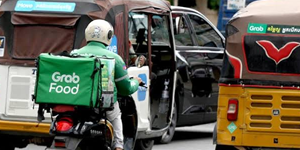
Delivery and Ride-Hailing Jobs in Cambodia
The delivery and transportation industries in Cambodia have changed significantly as more people use smartphones, online shopping platforms, food delivery applications, and digital payment services. In cities such as Phnom Penh, Siem Reap, Battambang, and Sihanoukville, customers increasingly depend on delivery services and ride-hailing applications to save time and travel conveniently.
This growing demand has created new employment opportunities for adults, including delivery riders, food delivery workers, ride-hailing drivers, and other transportation service providers. These jobs are part of the expanding digital economy, where workers use mobile applications to connect with customers and earn income from completed services.
For people looking for flexible employment, delivery and ride-hailing jobs in Cambodia can be an interesting career option. Some positions offer flexible working hours, while others provide more structured schedules through delivery companies and transportation businesses.
However, these jobs also come with responsibilities. Workers must understand road safety, vehicle maintenance, customer service, operating expenses, and platform requirements before choosing this career path.
This article explains the main job opportunities, potential earnings, qualifications, working conditions, and important considerations surrounding delivery and ride-hailing work in Cambodia.
What Are Delivery and Ride-Hailing Jobs in Cambodia?
Delivery and ride-hailing jobs in Cambodia are employment opportunities connected to transporting passengers, food, groceries, packages, and other goods from one location to another.
These services generally operate through mobile applications or transportation companies. Customers request a service using their smartphones, and available workers receive requests according to the platform's operating system.
There are two main categories:
Delivery jobs: Workers transport food, groceries, shopping orders, documents, or packages to customers.
Ride-hailing jobs: Drivers provide passenger transportation services through digital platforms, allowing customers to request rides and pay through supported payment methods.
Both industries contribute to Cambodia's growing service economy. They also create opportunities for businesses, restaurants, retailers, and customers who depend on convenient transportation.
Unlike traditional office employment, some platform-based positions operate through flexible arrangements. However, flexibility does not necessarily mean stable income or guaranteed working hours.
Types of Delivery Rider Jobs in Cambodia
Delivery work includes several different services, depending on the company and customer demand.
Food Delivery Jobs
Food delivery is one of the most visible parts of Cambodia's app-based delivery industry.
Restaurants, cafés, fast-food businesses, and local food shops use delivery services to reach customers who prefer ordering meals online.
Food delivery workers collect prepared orders and transport them to customers. Their responsibilities may include:
- Receiving and confirming delivery requests.
- Collecting orders from restaurants.
- Checking order information before leaving.
- Delivering food to the correct address.
- Communicating with customers when necessary.
- Following road safety and food-handling requirements.
Demand can vary depending on location, weather, meal times, and customer preferences.
Grocery Delivery Jobs
Grocery delivery workers transport supermarket products, fresh food, household supplies, and everyday shopping items.
Customers may use these services when they are busy, unable to visit stores, or prefer shopping from home.
These workers need to pay attention to product quantities, order accuracy, delivery instructions, and the condition of items.
Parcel and Package Delivery Jobs
Online shopping has increased the importance of package transportation.
Parcel delivery workers transport products purchased through e-commerce platforms, online stores, and retail businesses.
Typical responsibilities include:
- Collecting packages from distribution points.
- Checking delivery information.
- Organizing packages for transportation.
- Confirming successful deliveries.
- Reporting unsuccessful delivery attempts.
Some companies also provide structured schedules and assigned delivery areas.
Document and Business Delivery
Businesses sometimes require workers to transport contracts, documents, office supplies, and other important materials.
These services may involve scheduled assignments rather than individual customer requests.
Accuracy, reliability, and professional communication are particularly important because some deliveries contain confidential business information.
Ride-Hailing Driver Jobs in Cambodia
Ride-hailing services connect passengers with drivers through mobile applications. Instead of finding transportation directly on the street, customers can request a vehicle using their phones.
Ride-hailing driver jobs in Cambodia are mainly associated with urban transportation demand.
Drivers may provide different transportation services depending on the platform.
Motorbike Transportation
Motorbike transportation is commonly used in Cambodian cities because motorcycles are convenient for navigating busy roads.
Customers may choose motorbike transportation for short journeys, commuting, or traveling through crowded areas.
Car Transportation
Car-based ride-hailing services provide transportation for individuals, families, and business customers.
Drivers generally need to meet vehicle, licensing, insurance, and platform requirements.
Tuk-Tuk Transportation
Tuk-tuks are an important part of Cambodia's transportation industry, particularly in Phnom Penh and Siem Reap.
Some ride-hailing platforms support tuk-tuk transportation, allowing customers to request rides through mobile applications.
This creates opportunities for qualified adult drivers who meet the relevant requirements.
Popular Platforms Supporting Delivery and Transportation Services
Several digital platforms have contributed to the development of app-based transportation and delivery services in Cambodia.
Grab
Grab provides transportation and delivery services in several Southeast Asian markets, including Cambodia.
Its services include passenger transportation and food delivery, depending on local availability.
The platform is relevant to adults researching Grab driver jobs in Cambodia, including transportation and delivery opportunities.
foodpanda
foodpanda is associated with online food and grocery delivery services.
Its delivery network connects customers, restaurants, retailers, and delivery partners.
PassApp
PassApp is a Cambodian transportation platform associated with services such as tuk-tuk and other vehicle transportation.
It is part of the country's developing digital transportation market.
Nham24
Nham24 has been associated with online food ordering and delivery services in Cambodia.
Platform services and recruitment arrangements can change, so applicants should verify current operations and official employment information.
Requirements for Delivery and Ride-Hailing Workers
People interested in these jobs should understand that delivery and transportation work involves legal responsibilities and platform-specific requirements.
These positions are generally intended for adults who meet the relevant employment, vehicle, and licensing conditions.
Common requirements may include:
- Being at least 18 years old or meeting the platform's minimum age requirement.
- Having valid identification.
- Holding the appropriate driving licence.
- Having a legally registered vehicle.
- Meeting applicable vehicle inspection and insurance requirements.
- Having a smartphone and reliable internet access.
- Understanding basic customer service.
- Following traffic laws and road safety requirements.
Requirements differ depending on the company and type of transportation service.
For example, Grab Cambodia publishes separate requirements for two-wheel, three-wheel, and four-wheel partners.
Working Conditions and Challenges
Delivery and ride-hailing work can provide income opportunities, but workers should also understand the challenges.
A September 2026 International Labour Organization (ILO) study examined the experiences of 1,237 platform workers in Phnom Penh. It highlighted long working hours, uncertain earnings, operating expenses, workplace safety concerns, and limited social protection.
International Labour Organization+1
These findings are important when evaluating the industry as a potential career.
How Much Do Delivery Drivers Earn in Cambodia?
Income varies according to the type of service, number of completed orders, working hours, location, and operating expenses.
An important distinction is the difference between gross earnings and take-home income.
The 2026 ILO study reported the following average monthly gross earnings among surveyed platform workers in Phnom Penh:
|
Type of platform worker |
Average gross monthly earnings |
|
Food delivery riders |
$501 |
|
Tuk-tuk drivers |
$477 |
|
Taxi drivers |
$581 |
These are research averages, not guaranteed salaries or current platform payment rates.
The study also found that operating costs significantly reduced take-home earnings. For example, surveyed food delivery riders retained an estimated $355 after the operating expenses measured in the study.
International Labour Organization+1
Vehicle financing, depreciation, personal expenses, and other costs may further affect actual income.
Is Food Delivery a Good Job in Cambodia?
Food delivery is an important part of Cambodia's digital economy. However, whether it is a good occupation depends on individual circumstances and working conditions.
Potential advantages include:
- Flexible working arrangements.
- Opportunities to work in different locations.
- Growing demand for convenient delivery services.
- Access to app-based customer networks.
Potential disadvantages include:
- Unpredictable income.
- Fuel and maintenance expenses.
- Exposure to road traffic risks.
- Long working hours.
- Limited employment benefits in some arrangements.
The ILO findings suggest that flexibility should not be confused with financial stability or adequate worker protection.
International Labour Organization+1
Part-Time and Full-Time Opportunities
The delivery industry includes different working arrangements.
Part-time opportunities may involve limited schedules, temporary assignments, or work during particular periods of demand.
Full-time opportunities generally involve more regular working hours and a greater commitment to daily operations.
However, platform-based workers may not receive the same benefits as employees under traditional employment contracts.
Understanding the employment arrangement is essential when evaluating any opportunity.
Skills Needed in the Delivery and Ride-Hailing Industry
Beyond transportation knowledge, several professional skills are important in this industry.
Communication: Workers need to communicate clearly with customers and business partners.
Time management: Organizing schedules and completing assigned responsibilities efficiently is important.
Technology skills: Digital platforms require workers to understand mobile applications, online payments, and digital instructions.
Customer service: Professional communication and respectful behavior help create positive customer experiences.
Problem-solving: Workers may encounter incorrect addresses, delayed orders, customer complaints, or unexpected changes.
These skills can also be useful in other employment sectors.
Safety and Legal Considerations
Road safety is one of the most important issues in Cambodia's delivery and transportation industry.
Motorcycles, tuk-tuks, and cars operate in busy urban environments where traffic conditions can change quickly.
Professional transportation workers must follow applicable traffic regulations, maintain suitable vehicles, and use appropriate safety equipment.
Employers and platforms also have responsibilities concerning worker safety and working conditions.
The ILO's 2026 research identified workplace injuries as a significant concern, with delivery riders reporting particularly high exposure to work-related injuries.
International Labour Organization+1
Workers should also understand insurance arrangements, accident reporting procedures, and available social protection.
The Future of Delivery and Ride-Hailing Jobs in Cambodia
Cambodia's digital economy continues to create opportunities for businesses and workers.
Online shopping, digital payments, restaurant ordering, and mobile transportation services have changed how customers access everyday services.
These developments may influence future demand for:
- Food and grocery delivery.
- E-commerce package transportation.
- Passenger transportation.
- Business logistics.
- Customer support.
- Digital platform operations.
- Transportation administration.
The industry may also create opportunities beyond driving, including logistics coordination, operations management, customer service, and technology support.
These roles can provide alternative career pathways for people interested in the transportation and digital services sectors.
Frequently Asked Questions (FAQs)
What are delivery and ride-hailing jobs in Cambodia?
They are work opportunities involving the transportation of food, packages, groceries, and passengers through digital platforms or transportation businesses.
How to become a delivery rider in Cambodia?
Delivery work generally requires meeting the applicable minimum age, identification, driving licence, vehicle, and platform requirements. These jobs are intended for eligible adults.
How much do delivery drivers earn in Cambodia?
According to a 2026 ILO study, surveyed food delivery riders in Phnom Penh earned an average of approximately $501 in gross monthly income. Actual earnings vary, and operating costs reduce take-home income.
Is food delivery a good job in Cambodia?
It can provide income opportunities and flexible working arrangements. However, workers should consider road safety, vehicle expenses, long hours, income uncertainty, and social protection.
How to apply for Grab driver jobs in Cambodia?
Grab has official partner information explaining its eligibility requirements, documents, and training arrangements. Applicants must meet the platform's adult eligibility requirements and applicable legal conditions.
Are delivery jobs part of the gig economy in Cambodia?
Yes. App-based delivery and transportation work are examples of the gig economy, where workers provide services through digital platforms and receive payment according to their work arrangements.
What challenges do delivery riders face in Cambodia?
Common challenges include traffic conditions, vehicle maintenance, fuel expenses, customer demand fluctuations, long working hours, and limited employment protection.
Are ride-hailing jobs available outside Phnom Penh?
Transportation and delivery services may be available in other Cambodian cities, but service coverage and demand depend on individual platforms and locations.
Conclusion
Delivery and ride-hailing services have become an important part of Cambodia's developing digital economy. Food delivery, passenger transportation, grocery delivery, and parcel transportation connect customers with businesses while creating new income opportunities for eligible adult workers.
However, delivery and ride-hailing jobs in Cambodia should be evaluated carefully. Gross earnings do not represent actual take-home income, and workers must consider vehicle expenses, road safety, working hours, and social protection.
Understanding these factors helps readers develop a realistic picture of the industry and its employment opportunities. As Cambodia's digital economy develops, transportation and logistics services may continue to create career opportunities in both driving and non-driving positions.