

Employee Turnover Explained: Costs & How to Reduce It
Employee turnover is one of the most important workforce metrics that every business should monitor. Whether you're managing a small startup or a multinational corporation, understanding employee turnover can help improve productivity, reduce hiring costs, and build a stronger workplace culture.
High turnover often leads to lost knowledge, lower morale, increased recruitment expenses, and disruptions to business operations. On the other hand, healthy turnover can introduce fresh ideas, new skills, and opportunities for organizational growth.
In this comprehensive guide, you'll learn the employee turnover meaning, common employee turnover causes, the true financial impact of losing employees, employee turnover statistics, how to calculate employee turnover rate, what is considered a good turnover rate, and practical employee turnover solutions that help organizations retain top talent.
What Is Employee Turnover?
Many people ask, what is employee turnover?
Employee turnover refers to the number or percentage of employees who leave an organization during a specific period and must be replaced by new hires.
Employees may leave voluntarily by resigning, retiring, or accepting another job. They may also leave involuntarily through layoffs, termination, or organizational restructuring.
Understanding employee turnover meaning is essential because it reflects the health of a company's work environment, leadership quality, compensation strategy, and employee satisfaction.
In simple terms:
Employee turnover measures how frequently employees leave a company and how often new employees are hired to replace them.
Employee Turnover Meaning
The employee turnover meaning extends beyond simply counting resignations.
It is a key human resources metric that evaluates workforce stability and helps organizations understand whether they are retaining valuable employees.
Employee turnover includes:
- Voluntary resignations
- Retirements
- Dismissals
- Layoffs
- Contract completions
- Internal transfers (depending on company reporting)
HR departments use turnover data to identify trends, predict staffing needs, and improve retention strategies.
Types of Employee Turnover
Understanding different types of employee turnover helps organizations identify the root causes.
Voluntary Turnover
Employees choose to leave because of:
- Better salary
- Career advancement
- Poor management
- Work-life balance
- Relocation
- Personal reasons
This is usually the most concerning type because valuable talent leaves by choice.
Involuntary Turnover
The employer ends employment because of:
- Poor performance
- Misconduct
- Downsizing
- Automation
- Business closure
While some involuntary turnover is unavoidable, excessive dismissals may indicate hiring or management issues.
Internal Turnover
Employees remain with the organization but transfer to another department or business unit.
Internal mobility often benefits companies because talent stays within the organization.
Functional Turnover
Poor-performing employees leave.
This type of turnover may improve overall performance.
Dysfunctional Turnover
High-performing employees leave.
This is expensive and harmful because experienced employees take valuable skills and institutional knowledge with them.
Why Employee Turnover Matters
High employee turnover affects nearly every aspect of a business.
Companies experiencing excessive turnover often face:
- Increased recruitment expenses
- Higher onboarding costs
- Lost productivity
- Reduced customer satisfaction
- Lower employee morale
- Delayed projects
- Increased workload for remaining staff
- Declining organizational knowledge
Even a single experienced employee leaving can create ripple effects throughout an organization.
Employee Turnover Statistics
Recent employee turnover statistics show that workforce mobility remains high across many industries.
Some common trends include:
- Hospitality and retail generally experience the highest turnover rates.
- Technology companies often face increased voluntary turnover due to competitive hiring.
- Healthcare organizations struggle with burnout-related turnover.
- Younger employees tend to change jobs more frequently than older workers.
- Companies with strong employee engagement usually report significantly lower turnover.
These employee turnover statistics demonstrate that retention has become a strategic priority for organizations worldwide.
Employee Turnover Causes
Understanding employee turnover causes is the first step toward improving retention.
1. Poor Leadership
Employees often leave managers rather than companies.
Weak leadership creates:
- Low trust
- Poor communication
- Lack of recognition
- Reduced motivation
Managers significantly influence employee engagement.
2. Low Compensation
Salary remains one of the biggest employee turnover causes.
Employees compare:
- Base salary
- Bonuses
- Benefits
- Healthcare
- Retirement plans
- Paid leave
Uncompetitive compensation encourages employees to seek better opportunities.
3. Limited Career Growth
Employees want opportunities to:
- Learn
- Develop
- Receive promotions
- Build new skills
Without career progression, many employees eventually leave.
4. Poor Work-Life Balance
Long working hours, unrealistic expectations, and constant stress contribute to burnout.
Flexible work arrangements have become increasingly important for retention.
5. Lack of Recognition
Employees want appreciation for their contributions.
Simple recognition programs can improve engagement and reduce turnover.
6. Toxic Workplace Culture
Negative workplace environments increase resignations.
Examples include:
- Office politics
- Bullying
- Favoritism
- Poor communication
- Lack of inclusion
Healthy cultures encourage long-term employee commitment.
7. Poor Hiring Decisions
Hiring candidates who do not fit the role or culture often leads to early resignations.
Better recruitment improves retention.
8. Burnout
Heavy workloads and constant pressure contribute significantly to employee turnover.
Organizations that support employee well-being often experience lower turnover rates.
9. Lack of Employee Engagement
Disengaged employees are much more likely to leave.
Engagement improves when employees:
- Feel valued
- Understand company goals
- Receive feedback
- See growth opportunities
10. Better External Opportunities
Sometimes employees simply receive offers that better align with their career goals.
Competitive labor markets naturally increase employee turnover.
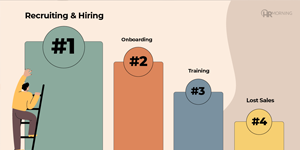
The Hidden Costs of Employee Turnover
Many employers underestimate the true cost of losing employees.
Costs include:
Recruitment Costs
- Job advertisements
- Recruiter fees
- Interview time
- Background checks
Hiring Costs
New employee paperwork, onboarding, and HR administration require time and resources.
Training Costs
New employees often need weeks or months before reaching full productivity.
Training expenses can be substantial.
Productivity Loss
Vacant positions slow operations.
Remaining employees often absorb extra responsibilities, increasing stress and reducing efficiency.
Customer Impact
Experienced employees build strong customer relationships.
Replacing them can affect customer satisfaction and loyalty.
Lost Knowledge
Departing employees take valuable organizational knowledge with them.
Knowledge transfer isn't always complete.
Team Morale
Frequent resignations may lower motivation among remaining employees.
Employees may question leadership or begin considering other opportunities themselves.
Employee Turnover Rate
The employee turnover rate measures the percentage of employees who leave during a specific period.
It is one of the most widely used HR performance metrics.
Companies typically calculate turnover:
- Monthly
- Quarterly
- Annually
Tracking trends over time provides more valuable insights than looking at a single month.
How to Calculate Employee Turnover Rate
Many HR professionals ask, how to calculate employee turnover rate accurately.
The standard formula is:
Employee Turnover Rate = (Number of Employees Who Left ÷ Average Number of Employees) × 100
Example:
Beginning employees: 180
Ending employees: 220
Average workforce:
(180 + 220) ÷ 2 = 200
Employees who left:
30
Calculation:
30 ÷ 200 × 100 = 15%
Therefore, the company's employee turnover rate is 15%.
Using this standard method allows organizations to compare performance over time and against industry benchmarks.
What Is a Good Employee Turnover Rate?
Many employers ask:
What is a good employee turnover rate?
There is no universal answer because turnover varies by industry.
Generally:
- Under 10% is often considered excellent for many office-based businesses.
- Around 10%–15% is considered healthy in many industries.
- 15%–20% may require monitoring.
- Above 20% often indicates retention challenges.
- Retail, hospitality, and seasonal businesses naturally experience much higher turnover.
Rather than comparing yourself with unrelated industries, evaluate turnover against similar organizations and monitor year-over-year improvement.
Warning Signs of High Employee Turnover
Businesses should investigate when they notice:
- Frequent resignations
- Short employee tenure
- Declining employee engagement
- Increased absenteeism
- Negative employee feedback
- Hiring becoming more difficult
- Lower productivity
- Rising overtime costs
Early intervention can prevent larger retention problems.
Employee Turnover Solutions
Finding effective employee turnover solutions requires addressing both employee needs and organizational practices.
The most successful companies focus on long-term retention instead of reacting only after employees resign.
Improve Leadership Quality
Managers directly influence retention.
Invest in leadership development by teaching managers:
- Coaching skills
- Conflict resolution
- Effective communication
- Performance management
- Emotional intelligence
Employees are more likely to stay when they trust their managers.
Offer Competitive Compensation
Regularly benchmark salaries against market rates.
Competitive compensation includes:
- Fair wages
- Bonuses
- Healthcare
- Retirement plans
- Flexible benefits
- Paid leave
Employees should feel appropriately rewarded for their work.
Create Career Development Opportunities
Employees remain longer when they see a future.
Provide:
- Training programs
- Certifications
- Mentorship
- Internal promotions
- Learning budgets
Career growth is among the strongest employee turnover solutions.
Recognize Employee Contributions
Recognition improves engagement.
Examples include:
- Employee awards
- Public appreciation
- Performance bonuses
- Thank-you messages
- Career milestones
Recognition costs little but significantly improves morale.
Support Flexible Work
Flexible work arrangements can help retain talent.
Examples include:
- Remote work
- Hybrid schedules
- Flexible hours
- Compressed workweeks
Work-life balance remains an important retention factor.
Strengthen Company Culture
Healthy workplace culture encourages employees to stay.
Focus on:
- Respect
- Transparency
- Collaboration
- Inclusion
- Shared values
Positive culture cannot eliminate turnover entirely but reduces unnecessary resignations.
Improve Hiring Accuracy
Better hiring reduces early turnover.
Recruit candidates who align with:
- Company values
- Job expectations
- Required skills
- Career goals
Realistic job previews also reduce mismatched expectations.
Conduct Stay Interviews
Instead of waiting for exit interviews, ask current employees:
- What keeps you here?
- What could be improved?
- What might cause you to leave?
These conversations identify problems before resignations occur.
Improve Employee Well-Being
Support mental and physical health through:
- Wellness programs
- Reasonable workloads
- Paid time off
- Counseling resources
- Stress management initiatives
Healthy employees are generally more engaged.
Listen to Employee Feedback
Regular surveys provide valuable insights.
Employees appreciate organizations that act on feedback rather than simply collecting it.
How to Reduce Employee Turnover
Organizations wondering how to reduce employee turnover should focus on continuous improvement rather than quick fixes.
Here are proven strategies to reduce employee turnover:
- Hire candidates who fit the company culture.
- Offer competitive pay and benefits.
- Develop strong managers.
- Recognize employee achievements regularly.
- Create clear career paths.
- Encourage learning and development.
- Promote work-life balance.
- Foster inclusive workplace cultures.
- Address employee concerns quickly.
- Measure turnover and retention consistently.
When implemented together, these strategies significantly reduce employee turnover over time.
Measuring Retention Success
Organizations should track more than just turnover.
Useful HR metrics include:
- Employee engagement
- Average tenure
- Time-to-fill positions
- Internal promotion rate
- Employee satisfaction
- Exit interview trends
- Absenteeism
- Productivity
Combining these metrics provides a more complete picture of workforce health.
Common Mistakes Companies Make
Many organizations struggle because they:
- Ignore employee feedback
- Delay salary reviews
- Promote poor managers
- Underinvest in training
- Overwork employees
- Hire too quickly
- Fail to recognize achievements
- Lack career development opportunities
Avoiding these mistakes can significantly improve retention.
Future Trends in Employee Turnover
Workplace expectations continue to evolve.
Organizations increasingly focus on:
- Flexible work arrangements
- AI-supported HR analytics
- Skills-based hiring
- Personalized learning
- Employee well-being
- Internal mobility
- Continuous feedback
- Purpose-driven workplace cultures
Companies adapting to these trends are likely to experience stronger retention in the years ahead.
Conclusion
Understanding employee turnover is essential for every organization that wants to attract, develop, and retain talented employees. Knowing the employee turnover meaning, monitoring the employee turnover rate, understanding employee turnover causes, reviewing employee turnover statistics, and implementing effective employee turnover solutions can dramatically improve workforce stability.
Learning how to calculate employee turnover rate allows businesses to measure retention accurately, while understanding what is employee turnover and what is a good employee turnover rate helps leaders benchmark performance against realistic expectations.
Most importantly, organizations that invest in leadership, career development, competitive compensation, employee recognition, and workplace culture are far more likely to reduce employee turnover. By taking a proactive approach and continuously evaluating retention strategies, businesses can lower hiring costs, improve employee satisfaction, strengthen productivity, and build a resilient workforce that supports long-term success.